Dental Crowns Oxnard CA: Comfortable, Durable Tooth Restoration
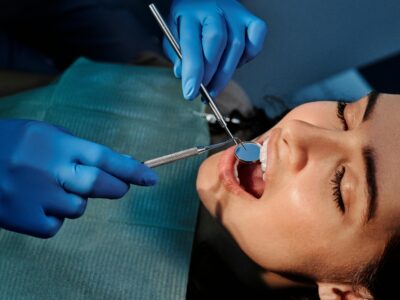
A strong tooth can still reach a point where a filling is no longer enough. That is often the moment when a dental crown becomes the most practical, conservative way to save the tooth you already have. In everyday practice, crowns solve a surprisingly wide range of problems. They restore cracked molars after years of grinding, protect root canal treated teeth, rebuild badly broken front teeth, and improve the shape and color of teeth that have become difficult to repair any other way.
For patients searching for Dental Crowns Oxnard CA, the real questions usually sound less technical. Will it hurt? How long will it last? Will it look natural? Can I chew normally again? Those are fair questions, and they deserve direct answers.
A well-made crown should feel comfortable, function predictably, and blend with the rest of your smile. It is not just a cap placed over a tooth. It is a custom restoration designed around bite forces, gum health, tooth structure, and appearance. When done carefully, a crown can feel so normal that patients stop noticing it after a few days.
What a dental crown actually does
A crown covers the visible part of a tooth above the gumline. Think of it as a protective shell that restores form and strength after the original tooth has been weakened. The crown is custom shaped to match your bite and shaded to fit with neighboring teeth.
That description sounds simple, but the reason a crown works so well is mechanical. Teeth do not only move up and down. They flex under pressure. They absorb repeated chewing forces, side-to-side stress, temperature changes, and, in some people, constant clenching. When a tooth loses too much structure from decay, fracture, or a large old filling, those forces become harder for it to tolerate. A crown redistributes pressure and helps prevent a small defect from turning into a major break.
In practical terms, crowns are often recommended when a tooth is too compromised for a routine filling, but still healthy enough to keep. That middle ground matters. Saving a natural tooth, when possible, is usually the best long-term option for comfort, chewing efficiency, and bone support.
When a crown makes sense
Dentists do not place crowns on every damaged tooth. A small cavity still calls for a filling. Cosmetic bonding can be useful in the right situation. Veneers can improve front teeth when the structure is otherwise sound. A crown enters the picture when protection is as important as appearance.
Common situations where a crown may be the best choice include:
- A tooth has a large filling and not much healthy structure left
- A crack has formed and the tooth hurts when biting
- A root canal has been completed and the tooth needs reinforcement
- A broken or severely worn tooth needs to be rebuilt
- A misshapen or deeply discolored tooth cannot be predictably improved with simpler treatment
Each of those cases carries its own judgment call. For example, a back tooth that has undergone root canal treatment often needs a crown because it has already lost significant internal structure, and because molars absorb heavy bite pressure. By contrast, a front tooth with a small chip may not need full coverage at all. The best treatment depends on how much healthy enamel remains, where the tooth is located, and what kind of forces it handles every day.
Comfort during the procedure
Fear of discomfort keeps many people from getting treatment until the tooth becomes painful enough to force the issue. Crowns have an undeserved reputation for being miserable. In reality, most crown appointments are manageable, especially when the tooth is numbed properly and the process is explained clearly.
A typical crown procedure involves shaping the tooth so the final restoration can fit with the right thickness and contour. Impressions or a digital scan are then taken. A temporary crown is usually placed while the final one is being made. At the second visit, the dentist checks the fit, bite, and appearance before bonding or cementing the crown into place.
The appointment is more technique-sensitive than dramatic. Patients often say the numbing injection was the part they worried about most, and that the rest was easier than expected. Some soreness in the gum tissue or mild sensitivity afterward is normal, particularly if the tooth was already inflamed to begin with, but sharp lingering pain is not something to ignore.
One point worth stressing is that comfort depends heavily on planning. If a tooth has a deep crack close to the nerve, it may remain sensitive even after a crown preparation. If decay extends under the gumline, the procedure can be more involved. Those are not failures, just realities of treating a tooth that has been compromised for a while. Honest discussion before treatment helps patients know what is routine and what might require an extra step.
Temporary crowns matter more than people realize
Temporary crowns are easy to dismiss because they are not meant to last. Still, they serve several important functions. They protect the prepared tooth, reduce sensitivity, preserve spacing, and give you a preview of how the final crown may feel.
A good temporary should let you function reasonably well for the short interval before the permanent crown is delivered. It may not look perfect, and it is usually not as strong as the final restoration, but it should not feel loose or painfully high when you bite. If it pops off, that deserves a phone call. A prepared tooth can shift surprisingly quickly, and even slight movement can make the final crown harder to seat.
Patients are often told to avoid very sticky foods while wearing a temporary. That advice is practical, not overly cautious. Caramel, chewing gum, and dense taffy have pulled off many temporary crowns over the years. Nuts and hard crusts can also be a problem if the temporary is thin or the tooth underneath is tender.
Materials, and why the choice is not one-size-fits-all
Crowns can be made from several materials, each with trade-offs. The right one depends on the tooth, the bite, the visibility of the area, and how much room exists between the upper and lower teeth.
All-ceramic and porcelain-based crowns are popular because they can look very natural, especially on front teeth or areas visible when smiling. Modern ceramics have improved substantially and can be both esthetic and durable. Zirconia crowns are known for strength and are commonly used in back teeth, though appearance and translucency vary by type. Porcelain fused to metal crowns are still used in certain cases, particularly when strength and contour control are needed, though they may show a dark edge over time if gum recession occurs. Gold and other metal crowns remain excellent from a purely functional standpoint, especially on molars, because they are durable and kind to opposing teeth, but they are less common for obvious cosmetic reasons.
The strongest material on paper is not automatically the best for every patient. A person with a heavy grinding habit may do better with one type of crown than someone with a light bite and high cosmetic expectations. A front tooth that catches bright light when you talk calls for different thinking than a second molar no one sees. This is where experience matters. The best crown choice is usually the one that respects both the engineering of the bite and the appearance of the smile.
The fit is everything
Patients tend to focus on color first, and understandably so. Dentists and lab technicians also focus intensely on fit, because an attractive crown that does not fit properly can fail early.
A well-fitting crown should have clean margins where it meets the tooth, proper contact with neighboring teeth, and a bite that feels balanced. If it is too high, the tooth may feel sore or sensitive when chewing. If the contact is too loose, food can trap between teeth and irritate the gums. If the edge does not seal well, bacteria can enter and decay can form underneath.
This is one reason a crown is not just a product, but a process. Good impressions or precise digital scans matter. So does careful tooth preparation, shade selection, and communication with the dental lab. Tiny discrepancies make a real difference once that crown is placed into a mouth that bites thousands of times a day.
Patients can help here too. If something feels off after placement, say so. Many bite problems can be corrected with a small adjustment. It is better to address that early than to chew unevenly for weeks and develop jaw soreness or tooth tenderness.
How long crowns usually last
No dentist can honestly promise a crown will last forever. Too many variables affect longevity, including oral hygiene, decay risk, bite pressure, grinding, diet, and the amount of healthy tooth structure underneath.
That said, many crowns last well over a decade, and some remain functional much longer. The crown itself may still look intact when it needs replacement because the problem often begins at the margin, where decay can sneak in around the edge of the restoration. In other cases, the issue is not the crown but the tooth. A root fracture, recurrent decay, gum recession, or severe wear from grinding can shorten the lifespan of even a beautifully made crown.
I have seen older crowns still doing their job after fifteen or twenty years, and I have also seen newer crowns fail early because the patient clenched heavily at night and never used the recommended night guard. Technique matters, but patient habits matter too.
Crowns and aesthetics, especially in the front of the mouth
Front teeth demand a different level of finesse. Color is only part of it. Natural teeth have depth, translucency, texture, and the way they reflect light changes from the gumline to the edge. A front crown that is technically sound but too flat, too opaque, or too symmetrical can stand out immediately.
This is where communication becomes especially important. If a patient wants a very bright, uniform smile, the treatment plan may be different than it would be for someone who wants one crown to disappear among slightly varied natural teeth. Photos, shade guides, and sometimes custom lab work help match shape and color more accurately.
Gum tissue also affects the final look. If the gumline around one front tooth is uneven, placing a perfect crown alone may not solve the visual issue. In some cases, crown lengthening, gum contouring, or orthodontic planning should be discussed first. Those are the judgment calls that separate rushed dentistry from thoughtful treatment.
If you grind your teeth, a crown is not armor
One of the most common misunderstandings is that a crown makes a tooth indestructible. It does not. A crown is strong, but it is still attached to a living tooth inside a very dynamic bite. People who clench or grind can crack porcelain, wear through surfaces, or overload the underlying tooth and surrounding joints.
Bruxism is especially common in patients who say they wake with tight jaw muscles, headaches near the temples, or a sense that their teeth feel fatigued in the morning. Flattened biting edges and tiny craze lines on enamel are also clues. In these patients, a custom night guard is often just as important as the crown itself.
A night guard is not glamorous, and many patients resist it until they break something. Then the value becomes obvious. Protecting the work omnidentalspecialty.com Dental Crowns Oxnard CA is part of the work.
The cost question, and what people are really paying for
Crowns are not inexpensive, and patients are right to ask why. The fee reflects more than the final object. It includes diagnosis, preparation of the tooth, imaging when needed, anesthesia, impression or digital scanning, laboratory fabrication, temporary restoration, placement, adjustments, and follow-up.
It also reflects planning and risk management. A tooth that looks simple on the surface can become complicated if decay extends deeper than expected or if old restorative material hides a crack. Teeth do not come with factory conditions. Every crown is customized to anatomy that has been shaped by years of chewing, dental history, and biology.
Insurance may cover part of the cost when the crown is medically necessary, though plans vary widely. Some patients are surprised to learn that benefits have not kept pace with actual treatment costs. It is worth asking for a pre-treatment estimate, but it is equally worth understanding that the least expensive option is not always the least costly over time if it fails early or leads to additional treatment.
What to expect after the crown is placed
A new crown should not feel alien for long, but it often feels noticeable at first simply because your tongue is extremely sensitive to changes in contour. That awareness usually fades quickly.
For the first several days, patients may notice mild gum tenderness, a little temperature sensitivity, or the sensation that the bite is slightly different. Some of that is adaptation. Some of it may require a small bite adjustment. If you feel a distinct high spot when chewing, call the office rather than hoping it will wear down on its own. Even a tiny interference can make a tooth sore.
A crown does not need special cleaning tools in most cases, but it does need excellent daily hygiene. The crown cannot decay, but the tooth structure at the margin certainly can.
Helpful habits after crown placement include:
- Brush thoroughly along the gumline twice a day
- Floss daily and slide the floss out gently rather than snapping it upward
- Avoid chewing ice, pens, and other hard non-food items
- Wear a night guard if clenching or grinding has been identified
- Schedule routine exams so small problems are caught early
None of that is complicated. The challenge is consistency. Most crown failures are not dramatic events. They begin quietly, with plaque at the margin, a neglected crack, or months of excessive grinding pressure.
Crowns compared with other restorative options
Crowns are effective, but they are not the answer to every damaged tooth. A conservative dentist weighs alternatives carefully.
A filling is the least invasive choice when enough healthy tooth remains. Bonding can repair minor chips or reshape front teeth beautifully when forces are light and moisture control is good. Onlays and partial crowns preserve more natural structure than full crowns in selected back teeth. Veneers change the front surface of teeth for cosmetic reasons, but they do not provide the same circumferential protection as a crown. Extraction and replacement with an implant may be appropriate when a tooth is too fractured, too decayed, or too compromised below the gumline to restore predictably.
That last point is important. Patients sometimes want to save a tooth at any cost, while others lean too quickly toward extraction. Good dentistry lives between those extremes. A tooth should be crowned when the prognosis is sound and the remaining structure justifies the investment. If the foundation is poor, honesty is more valuable than optimism.
Why local follow-up matters
When people search for Dental Crowns Oxnard CA, they are often focused on convenience, and that is reasonable. But there is also a clinical advantage to receiving restorative care close to home. Crowns sometimes need small adjustments after placement. Temporary crowns occasionally come loose. Gum tissue may need time to settle. A local office makes those follow-ups easier and more likely to happen promptly.
That matters because the best outcomes usually come from attention to details after the main procedure, not just during it. A slight bite correction can prevent weeks of sensitivity. A quick recement of a temporary can prevent tooth movement. A post-placement check of floss contact and gum response can catch problems early.
In a coastal community like Oxnard, where people balance work, family schedules, commuting, and seasonal routines, practical access to follow-up care should not be underestimated. Dentistry works best when treatment is not only well executed, but realistically maintainable.
Questions worth asking before you commit
A crown is common treatment, but it is still significant treatment. Patients do better when they ask clear questions before the work begins. You should understand why the crown is recommended, what alternatives exist, whether the tooth might still need root canal treatment later, what material is being considered, and how the office handles adjustments if your bite feels off after placement.
You should also ask about the condition of the tooth under the crown. Is there a visible crack? How deep is the decay? Is there enough healthy structure to support the restoration well? These are not confrontational questions. They are the kind of questions thoughtful patients ask when they want treatment that lasts.
A good dental conversation is not rushed. The answer should fit your situation, not sound like a generic script.
The goal is simple, even if the process is precise
At its best, a dental crown does three things at once. It protects a vulnerable tooth, restores comfortable function, and looks natural enough that you do not think about it once your day gets busy. That combination is why crowns remain one of the most valuable tools in restorative dentistry.
If you are dealing with a cracked tooth, an old filling that keeps breaking down, or a tooth that no longer feels reliable when you chew, it may be time to discuss whether a crown is the right next step. For patients seeking Dental Crowns Oxnard CA, the most important factors are not flashy terms or promises that sound too neat. They are careful diagnosis, appropriate material choice, precise fit, and follow-up that respects how real mouths behave over time.
When those pieces come together, a crown does not feel like a major dental event. It feels like getting your tooth back.
Omni Dental Specialty
1690 E Gonzales Rd
Oxnard, CA 93036, United States
Phone: +1 805-410-9603
FAQ About Dental Crowns Oxnard CA
What is the average cost of a crown in California?
The fee depends on the crown material, tooth condition and any additional treatment. Request an itemized estimate from Omni Dental Specialty after an examination, and confirm insurance benefits before scheduling.
How long do dental crowns last?
Longevity varies with the material, fit, oral hygiene and biting habits. Regular dental reviews help identify wear, damage or decay. A crown does not need replacement solely because it reaches a particular age.
Do teeth go bad under crowns?
Decay can develop in the remaining natural tooth, particularly near the crown margin. Brush with fluoride toothpaste, clean between teeth daily and keep dental appointments. Report new pain or looseness promptly.
Which crown is best for bruxism?
No material suits everyone. Your dentist assesses grinding, tooth position, bite forces and appearance before recommending a crown. A protective appliance may also be recommended to manage stress on the restoration.