The Pros and Cons of Dental Crowns
A dental crown is one of those treatments that sounds simple until you are the person sitting in the chair trying to decide whether to go ahead. On paper, it is straightforward. A damaged tooth is reshaped, covered, and protected with a custom cap that restores strength and appearance. In real life, the decision is rarely that tidy. Patients weigh cost, comfort, appearance, timing, and the uncomfortable question of whether the tooth could have lasted a little longer without such a definitive step.
That tension is why Dental Crowns remain such a common point of discussion in dental practices. They solve real problems, and often solve them very well. They also involve trade-offs. Once a tooth has been prepared for a crown, there is no putting that enamel back. That does not make crowns a bad Dental Crowns option. It makes them a treatment that deserves a thoughtful explanation.
What a crown actually does
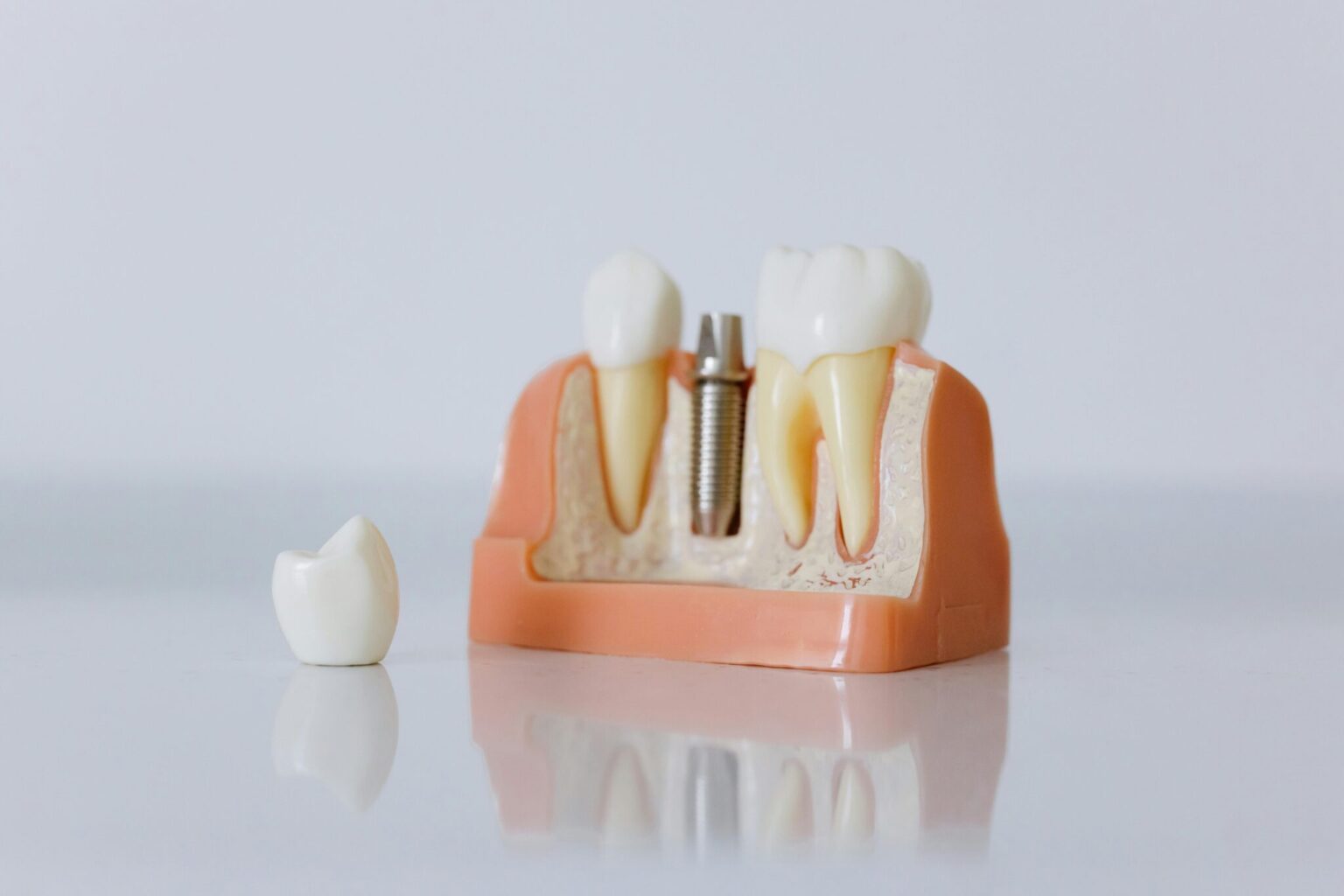
A crown covers the visible part of a tooth above the gumline. Think of it less as a cosmetic shell and more as a structural helmet. It protects weakened tooth structure from further fracture, restores a tooth after a large filling has left the remaining walls thin, and often brings back normal shape for chewing and speaking.
Crowns are used in several familiar situations. A tooth that has had root canal treatment may need one because it becomes more brittle over time, especially back teeth that absorb heavy chewing forces. A tooth with a very large cavity, or an old filling that has broken down repeatedly, may no longer have enough healthy structure left for another filling to be reliable. Sometimes the problem is a cracked tooth, where the crown works like a band that holds the tooth together and reduces flexing. Crowns are also used for cosmetic reasons when a tooth is badly discolored, misshapen, or worn down, though cosmetic goals alone usually call for a careful discussion about less invasive alternatives.
The key point is that crowns are not just about looks. In many cases, they are about preserving a tooth that would otherwise keep failing.
Why dentists recommend crowns so often
Patients sometimes hear the word crown and assume it is an aggressive recommendation. Occasionally, that instinct is worth questioning, because not every large filling needs to become a crown immediately. Still, there is a practical reason crowns come up often in restorative dentistry. Teeth do not fail only because decay gets deep. They also fail because of physics.
Every time you bite, especially on molars, the cusps of the tooth flex slightly under force. A healthy tooth tolerates that. A tooth with a wide cavity or a huge filling has thinner walls and less internal support. Over time, one cusp can crack off. Many dentists have seen the same pattern hundreds of times: a patient declines a crown because the tooth is not hurting, then returns months later with half the tooth missing after biting into bread crust, nuts, or a piece of ice.
That is not fear-based dentistry. It is pattern recognition. Preventive crowning of a vulnerable tooth can sometimes avoid a more expensive and more complicated sequence later, such as emergency treatment, root canal therapy, or extraction.
The strongest arguments in favor of Dental Crowns
The biggest advantage of a crown is durability. A well-made crown on a well-chosen tooth can serve for many years. Exact lifespan depends on material, bite forces, oral hygiene, grinding habits, and the amount of tooth structure left underneath, but a reasonable expectation is often in the range of 10 to 15 years, sometimes longer. Some fail sooner. Some remain in service for decades. The point is not permanence, but predictability.
Strength matters most on back teeth. A large composite filling can look beautiful on the day it is placed, yet still leave thin enamel edges vulnerable to fracture. A crown redistributes chewing forces more evenly. That is why molars with extensive damage often perform better with full coverage than repeated patchwork repairs.
Crowns also restore function in a way patients notice quickly. People who have been chewing carefully on one side for months often describe a sense of relief once a fragile or broken tooth is rebuilt properly. Speech can improve if front teeth were chipped or shortened. Jaw comfort can improve when a patient is no longer unconsciously avoiding pressure on a painful tooth.
Appearance is another legitimate benefit. Modern ceramic crowns can be remarkably lifelike when done well. Shade, translucency, contour, and surface texture all matter, and a skilled lab or digital workflow makes a visible difference. A front tooth crown should not look like a Chiclet. It should blend into the smile, reflect light naturally, and fit the person’s face and age. When that level of craftsmanship is present, a crown can be transformative, especially for someone who has spent years hiding a damaged front tooth.
There is also a preventive dimension that does not get enough attention. A crown can protect a compromised tooth before a catastrophic break occurs. Once a crack extends below the gumline or into the root, saving the tooth becomes much harder. In some cases, impossible. A crown placed at the right time may be the treatment that keeps the tooth in the mouth for another decade.
The downsides that deserve equal attention
Crowns are useful, but they are not minor. The main disadvantage is irreversibility. To fit a crown, the dentist must remove a significant amount of outer tooth structure so the final restoration has room and proper shape. That is not a flaw in the procedure. It is how crowns work. Still, it means the tooth will always need some form of crown or major restoration going forward.
Cost is the next obvious drawback. Fees vary widely by region, material, technology, and case complexity, but crowns are a substantial investment. Insurance may help, though coverage limits, waiting periods, and frequency restrictions often leave patients paying a meaningful share. For families already managing several dental needs at once, timing can become the deciding factor rather than clinical ideal.
Sensitivity after preparation is another concern. Many patients do fine, but some experience temporary temperature sensitivity or soreness around the gumline. If the tooth already had deep decay, cracks, or borderline nerve health, symptoms may linger. Occasionally a tooth that seemed restorable with a crown later needs root canal treatment because the nerve becomes inflamed beyond recovery. That can be frustrating for everyone involved, especially when the initial plan was made in good faith based on the tooth’s condition at the time.
Crowns can also fail. Cement can wash out. Margins can decay if plaque control is poor. Ceramic can chip under heavy grinding. A tooth under the crown can fracture. Sometimes the crown itself is technically fine, but the supporting tooth or gum tissue changes around it. The restoration is only as good as the biology and habits surrounding it.
There is a cosmetic downside too, particularly when material selection is not ideal. A crown that is too opaque, too bulky, or slightly off in color can draw the eye in exactly the wrong way. On front teeth, even small mismatches matter. In older porcelain-fused-to-metal crowns, a dark line near the gum was a common complaint as gums receded over time. Newer all-ceramic materials often improve this, but the artistry still matters.
When a crown is the right call, and when it may not be
Judgment matters more than the crown itself. Not every tooth with a cavity needs full coverage. Not every cracked tooth is saved by a crown. Good treatment planning sits in the gray zone between doing too little and doing too much.
A crown is often a strong choice when a tooth has lost a large portion of its structure, has fractured cusps, has undergone root canal treatment, or has a crack that causes pain when biting but has not yet split the tooth hopelessly. It also makes sense when old restorations keep failing and there is not enough predictable tooth left for another direct filling.
On the other hand, if a tooth has a small to moderate defect and enough healthy structure remains, a conservative restoration such as a bonded filling or inlay may be more appropriate. Younger patients deserve especially careful evaluation because large preparations start a restorative cycle early in life. The more tooth structure preserved at the beginning, the more options remain later.
Sometimes the better question is not crown or no crown, but crown now or crown soon. A patient may need time to budget, finish active gum treatment, or stabilize grinding habits with a night guard. In those situations, a temporary strategy can be reasonable, provided everyone understands the risk of delay. The danger comes when a temporary compromise is mistaken for a durable solution.
Materials matter more than many patients realize
Patients often ask which crown material is best. The honest answer is that it depends on where the tooth is, how much space is available, what the bite is like, and what the cosmetic expectations are.
All-ceramic crowns are popular because they can look very natural, especially on front teeth. Materials such as lithium disilicate offer a strong balance between esthetics and function in many cases. Zirconia is widely used for back teeth because it is very strong, though the final look can vary depending on the specific type and how it is layered or stained.
Porcelain-fused-to-metal crowns have a long track record and still have a place, particularly where strength and fit are priorities. Their esthetic limits are more obvious in highly visible areas, especially if gums recede. Full metal crowns, often gold alloy in classic cases, remain one of the most durable options for back teeth. They are kind to opposing teeth, fit exceptionally well, and can last a very long time. Many patients simply do not want the metallic appearance, which is understandable.
A patient who grinds heavily at night may do better with one material than another. A patient with a high smile line and demanding cosmetic expectations may need a different solution entirely. The crown that lasts longest in one mouth may be the wrong choice in another.
The process, and where problems usually arise
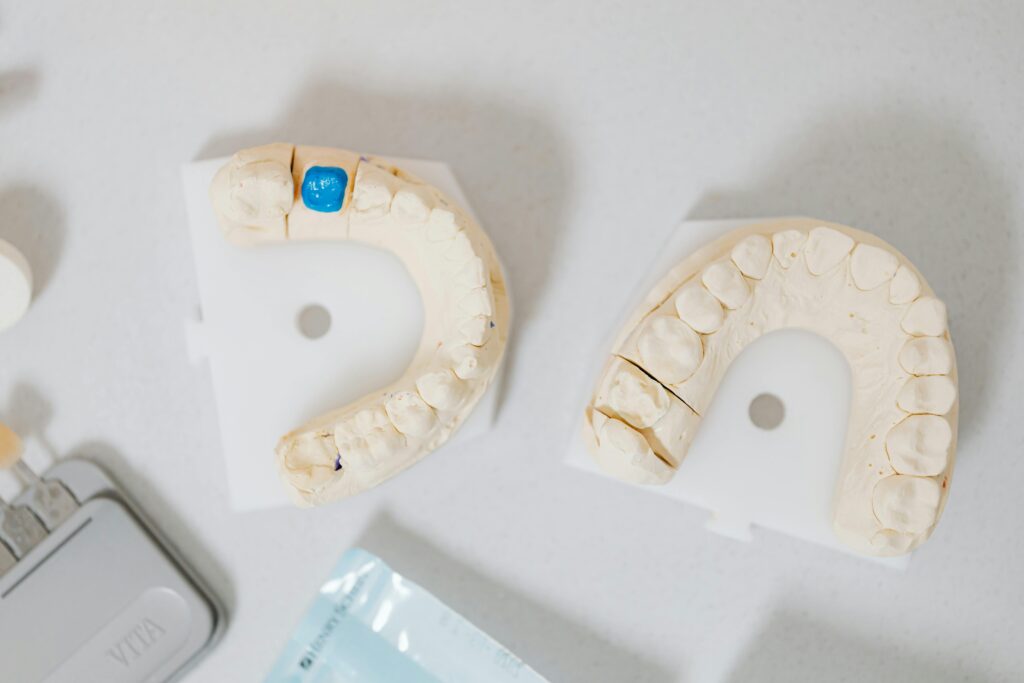
Most crowns are done in two stages, though same-day systems are increasingly common. First, the tooth is examined, shaped, and scanned or molded. A temporary crown is usually placed if the final one is made by a lab. At the second visit, the definitive crown is tried in, adjusted, and cemented.
The procedural steps sound routine, but this is where a lot of outcomes are won or lost. The margin, where the crown meets the tooth, must be precise. If it is open, decay risk rises. If it is bulky, the gums may stay irritated. The bite must be accurate. A crown that is slightly too high can make a patient feel as if that tooth hits first every time they close, which can lead to soreness, headaches, and even fracture over time.
Temporary crowns deserve more respect than they usually get. Patients often assume the temporary is a minor placeholder, but it serves several important functions. It protects the prepared tooth, maintains spacing, lets the gums heal around the intended shape, and offers a preview of comfort and contour. If a temporary keeps coming off, feels too tall, or traps food badly, that should not be dismissed. It may signal a need to reassess before the final crown is placed.
One small but common real-world issue is that patients test a temporary crown with sticky candy or hard crusts within the first day or two. Temporary cement is not designed for that kind of challenge. When the temporary comes off repeatedly, it can delay treatment and irritate the tooth. A little caution during that short window prevents a surprising amount of hassle.
What patients often misunderstand about pain and crown need
Pain is an unreliable guide. Some of the teeth most in need of crowns do not hurt at all until they crack dramatically. Others hurt a little for reasons that have nothing to do with needing full coverage. It is common for patients to feel skeptical when a dentist recommends a crown for a tooth that feels fine. It is equally common for patients to underestimate a tooth because it only hurts intermittently.
Cracked teeth illustrate this well. A patient may report a quick zing when releasing pressure after chewing, then go days without symptoms. That pattern can point to a crack, even though the tooth seems mostly manageable. Left alone, the crack may worsen. Crowning a tooth in that stage may save it. Wait too long, and the crack may deepen beyond rescue.
The reverse is also true. A sensitive tooth does not automatically need a crown. Sometimes gum recession, a leaking filling, bite trauma, or sinus pressure is the real problem. Good diagnosis matters more than speed.
A brief look at alternatives
Crowns are not the only answer for damaged teeth. Depending on the amount of remaining structure, location, and bite forces, these options may be considered:
- A bonded filling, for smaller defects where enough healthy tooth remains.
- An inlay or onlay, which restores part of the tooth while preserving more natural structure than a full crown.
- Veneers, in select cosmetic cases involving front teeth, though they are not substitutes for structural reinforcement on heavily damaged teeth.
- Extraction and replacement, usually considered when the tooth is no longer predictably restorable.
- Monitoring, if the tooth is stable and the risks of immediate intervention outweigh the benefits.
The important nuance is that alternatives are not always lesser or better, they are simply different tools. A conservative onlay can be an excellent choice in the right tooth. In another case, choosing an onlay when the tooth really needs full coverage can lead to early failure.
Longevity depends on the patient as much as the crown
It is easy to focus on the material and the dentist’s technique, but the daily habits after placement often decide whether a crown reaches its full lifespan. A beautifully made crown placed on a patient who clenches all night without a guard faces a much harder future than an average crown in a low-risk mouth.
Several habits consistently improve outcomes:
- Brushing thoroughly along the gumline, where decay around crown margins often starts.
- Cleaning between teeth daily, especially because recurrent decay often develops where patients cannot see it.
- Wearing a night guard if grinding or clenching is present.
- Returning for regular exams so small issues can be caught before the crown or tooth fails.
- Avoiding the habit of chewing ice, pens, or other hard objects.
One detail that surprises many patients is that crowned teeth can still get cavities. The crown itself does not decay, but the natural tooth at the edge of the crown certainly can. When plaque lingers around margins, bacteria take advantage of that seam. Some of the shortest crown lifespans happen not because the crown was weak, but because hygiene around it was inconsistent.
Front teeth and back teeth are different conversations
The pros and cons of Dental Crowns shift depending on where the tooth sits. On front teeth, appearance and translucency carry enormous weight. Even a technically sound crown can feel like a failure if it does not match the neighboring teeth. Shade is only part of the story. Shape, length, reflection, and gum symmetry all matter. These cases often benefit from more planning, photographs, and provisional refinement.
On back teeth, function usually outranks cosmetics. A slightly less beautiful crown that fits precisely and handles force well may be the smarter choice. Patients often care more about whether it feels solid and lets them chew comfortably than whether it looks perfectly natural. This is one reason material recommendations can differ sharply between the front and the back of the mouth without either plan being inconsistent.
The financial side, without sugarcoating it
A crown is not cheap, and patients deserve candid discussions about value. The sticker shock can feel steep, particularly if the tooth is not hurting. Yet repeated lower-cost repairs on the same failing tooth can become more expensive over time. Many people have experienced the cycle of replacing a large filling every few years, only to end up needing a crown anyway after one more fracture.
That does not mean the most expensive treatment is always the wisest. It means the true cost includes likely longevity, the chance of emergency failure, and what happens if the tooth deteriorates further. Saving money now by postponing a crown can be perfectly reasonable in some circumstances. In others, it simply shifts the bill into a more stressful and less favorable future.
Transparent discussion helps. Patients should know the expected life of the restoration, whether the nerve is at elevated risk, what alternatives exist, and how much uncertainty is in the diagnosis. Most people can handle complexity if it is explained plainly.
Questions worth asking before saying yes
A patient does not need dental training to ask useful questions. Before agreeing to a crown, it is reasonable to ask why a filling or onlay would not be enough, how much healthy tooth remains, whether the tooth may still need root canal treatment later, what material is being recommended and why, and what the likely lifespan is in that specific mouth.
The answers should feel tailored, not generic. A good explanation often includes the condition of the existing restoration, where cracks are suspected, how biting forces affect that tooth, and what might happen with delay. When those details are clear, the decision becomes less about salesmanship and more about risk management.
The honest balance
Dental Crowns are neither miracle fixes nor overused villains. They are one of the most reliable tools in restorative dentistry when used for the right reasons and executed well. Their strengths are substantial: protection, durability, restored chewing function, and in many cases excellent esthetics. Their drawbacks are equally real: cost, irreversibility, occasional sensitivity, and the simple fact that they do not make a tooth invincible.
The best outcomes usually come from timing and judgment. A crown placed too late may be unable to save a tooth. A crown placed too early may sacrifice structure that could have been preserved. Between those extremes is the sweet spot, where the treatment fits the tooth, the patient understands the trade-offs, and the restoration is made with care.
That is the real answer to the pros and cons question. A crown is not just a cap on a tooth. It is a long-term decision about how to preserve function, manage risk, and make the best use of what remains. When that decision is made thoughtfully, a crown can be one of the most worthwhile investments in dental care.
Omni Dental Specialty
1690 E Gonzales Rd, Oxnard, CA 93036, United States
+1 805-410-9603
FAQ About Dental Crowns
How long do crowns last on teeth?
A dental crown often lasts about five to fifteen years, although some last longer. Material, the underlying tooth, oral hygiene and grinding habits affect longevity. Regular dental examinations help identify wear, decay or a loose crown; no lifespan is guaranteed.
How much does a tooth crown cost?
There is no single price for every crown. Material, laboratory work, the condition of the tooth and any additional treatment affect the fee. Ask for a written estimate and confirm your insurance benefits, exclusions and out-of-pocket costs before treatment.
What is the downside of crowns on teeth?
A conventional crown usually requires irreversible removal of some tooth structure. Possible problems include sensitivity, chipping, loosening and decay at the crown margin; some teeth later need root canal treatment. Discuss your tooth's condition, material choices and suitable alternatives with your dentist.